



2026
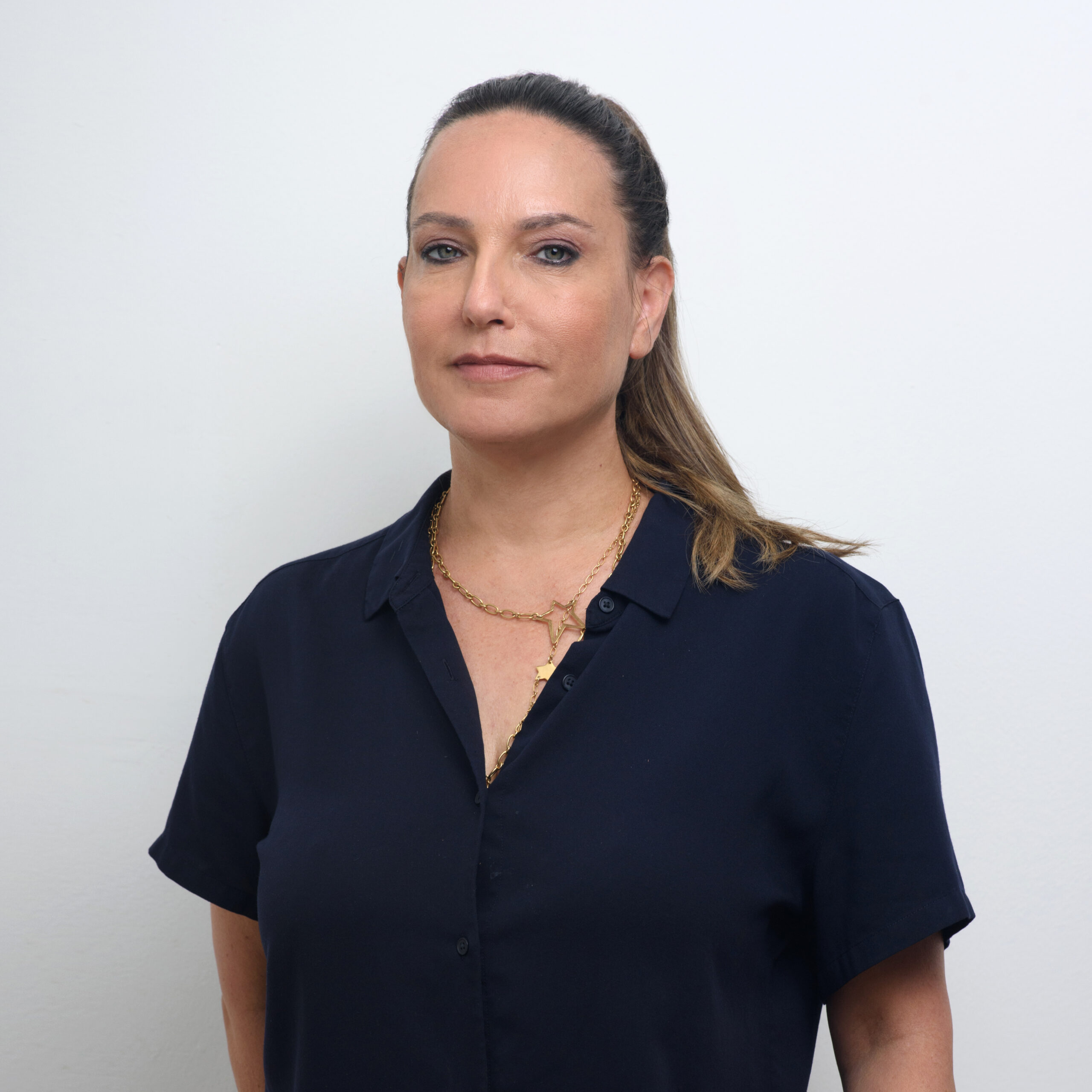
In Times of Crisis, Women Belong at the Decision-Making Table
Published by Orly Atlas Katz on Forbes Israel | March 8, 2026
When reality turns upside down, leadership grounded in empathy and flexibility is no longer an advantage – it is a necessity. In honor of International Women’s Day, Orly Atlas Katz, CEO of Ananey Paramount, explains why women don’t just survive crises – they lead through them.
—
Since October 7, and even more so in recent days amid the confrontation with Iran, all of us have been required to make decisions in a thoughtful, responsible, and adaptable way.
One of our core roles at Ananey Paramount (one of Israel’s leading media companies) is telling stories. Over the past two years, that mission has taken on an entirely new meaning. We now find ourselves not only producing and distributing content and communicating with audiences, but also operating within an Israeli and international reality that is more complex than ever before.
As an international media company, we also have the privilege and the opportunity to bring the voices of talented Israeli creators to platforms and audiences around the world. We have done this with Fireflies, which premiered on Paramount+; with Remnants, which won several international awards and was sold to streamers in multiple countries; and through many collaborations with some of the world’s leading media companies.
In my view, the qualities that allow an organization not only to survive but also to thrive during a crisis include the ability to manage short-term goals, empathy, flexibility, creative thinking, and emotional intelligence – qualities I look for both in employees and in managers. It is no coincidence that about 75% of our workforce are women, including in senior leadership roles. My experience has shown that diverse leadership carries immense strength, especially during times of crisis, when reality challenges everything we thought we knew.
Very often, it is precisely periods of crisis and stress that reveal the power of female leadership. I see many women around me leading in their fields and demonstrating how important it is to have women at the decision-making table – for organizations and for society as a whole.
Inspiring stories
You can see this around the world, but in Israel in particular reality itself has generated many inspiring stories. Yuval Raphael, who survived the massacre at the Nova music festival and later represented Israel on the international stage at Eurovision; Alice Miller, whose historic legal battle to open the Israeli Air Force pilot course to women became a milestone for equal opportunity; and someone who personally inspires me, Professor Gabby Elbaz-Greener, who was severely injured in a terror attack in her youth but went on to build an extraordinary career in medicine, becoming a professor of cardiology before the age of 50.
Since October 7, it has become clear that the question is not only how to manage a crisis, but how to grow from it. Even amid the reality of war and relentless missile attacks, when employees face uncertainty and anxiety for themselves and their families, many also feel a strong need to continue working, contributing, and making an impact precisely during such times. In many companies and across various industries, we have seen how periods of crisis or challenge can lead to innovation, collaboration, and creativity that are difficult to achieve in times of routine.
In our case, we came to understand that meaningful content is not a luxury – it is essential and provides a sense of purpose. We have produced, and continue to produce, projects aimed at empowering our audiences. One example is the video series I’ve Got Me, created for children in collaboration with the NATAL (The Israeli Trauma and Resiliency Center), designed to help young audiences build resilience and cope with stress and anxiety.
Alongside the need to offer encouragement and hope, I also believe there is tremendous importance in documenting reality and telling the story of what happened here – not only for Israeli society, but also in order to bring these voices and testimonies to the world. We had the privilege of telling the story of the community of Kfar Aza, which endured the unimaginable on October 7, in the documentary series Kfar Aza – 95% Heaven, which we produced for Israel’s public broadcaster Kan 11.
Innovation in organizational culture
Over the past year, we have seen more and more women leading these stories, both on screen and behind the scenes. This has long been a guiding principle in our work, and we are encouraged to see this trend continue to grow, bringing female creators, directors, writers, and producers to the forefront, alongside complex female characters who bring a different perspective.
In times like these, it is clear to me that anyone who wishes to continue creating and leading must also look toward the future, adopting new tools, technologies, and working methods that allow us to think differently, work differently, and open new opportunities.
True innovation is measured not only by tools, but also by organizational culture. I believe that leaders must know how to create meaningful value for younger employees. There are many ways to do this. For example, we created a platform where young employees can make their voices heard and see their ideas come to life. We established the Young Leadership Forum – a weekly meeting of young representatives from across the company who bring forward ideas and insights from their perspective. The first project by a young female creator and director was born in this forum, and we launched it this week.
In an era where crisis is no longer a one-time event but an ongoing reality, the question is not only who sits around the decision-making table, but also which values and ways of thinking guide them. I believe the future belongs to leadership that knows how to listen, adapt to constant change, accept uncertainty as the new normal, and move forward even when the path presents unexpected challenges.
One way to make that future a reality is by ensuring that women are present around the decision-making table in meaningful numbers, in a way that truly influences organizations and the decisions they make.
—
Orly Atlas Katz is the CEO of Paramount’s Ananey Studios.